

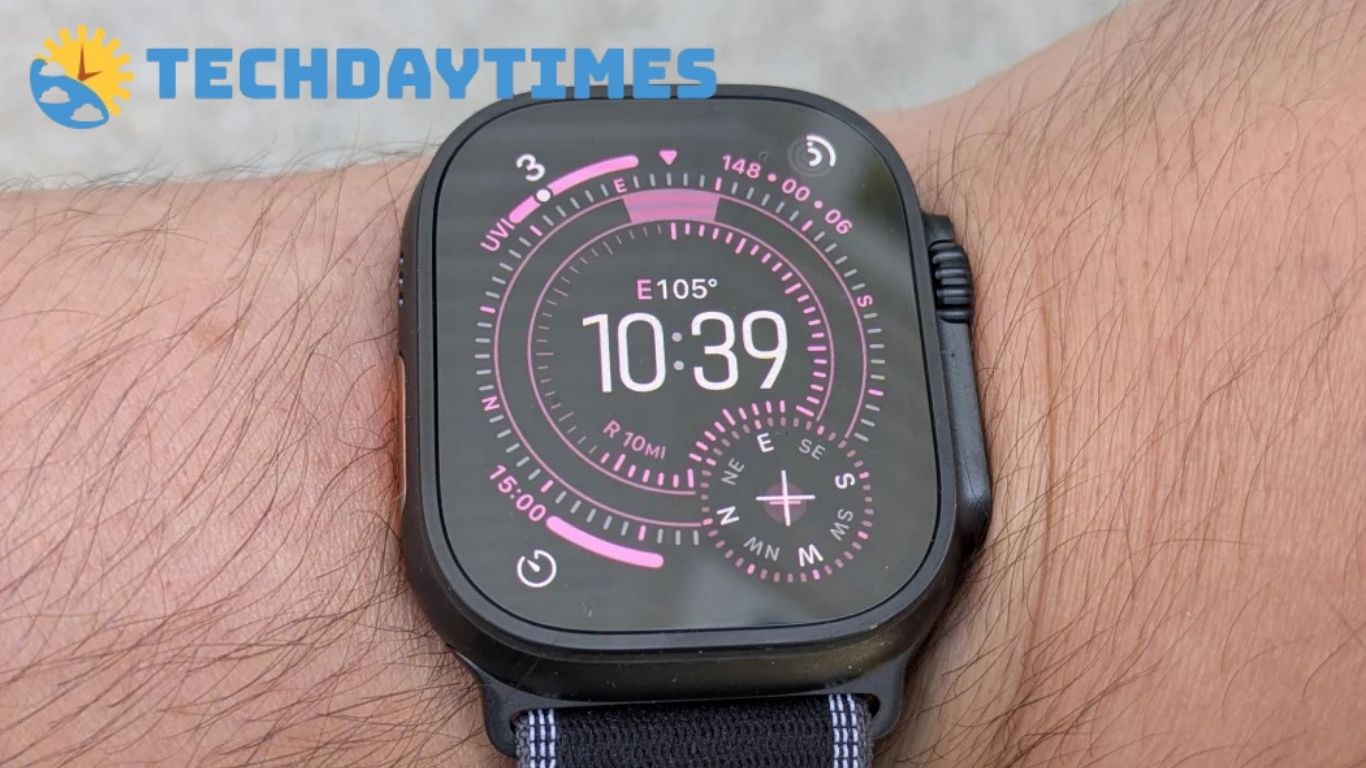
Smartwatches have evolved far beyond simple notification tools. In 2026, they are powerful wearable computers that track health, improve productivity, and even replace certain smartphone functions. From fitness enthusiasts to business professionals, smartwatches now serve a wide audience with advanced sensors, AI-driven insights, and seamless ecosystem integration.
Trying to rank the top smartwatches is a complex task; no two devices are the same, nor are the people using them. With this in mind, we utilize our expertise to offer our opinion on the watches that fit the categories listed in the summary below.
What Is a Smartwatch in 2026?
A smartwatch is a wearable device designed to connect with your smartphone and deliver real-time data directly on your wrist. Modern smartwatches now go beyond notifications and include:
- Health and fitness tracking
- GPS navigation
- Voice assistants
- Mobile payments
- Sleep and stress monitoring
- Independent LTE connectivity
Key Features of Modern Smartwatches
Advanced Health Tracking
Health tracking is the most important feature of modern smartwatches. Devices now include:
- Heart rate monitoring (24/7)
- Blood oxygen (SpO2) tracking
- ECG (electrocardiogram)
- Stress level detection
- Skin temperature sensors
Fitness & Sports Modes
Smartwatches now support 100+ workout modes such as:
- Running and walking
- Cycling
- Swimming (water-resistant models)
- Gym training
- Yoga and meditation
Smart Notifications & Connectivity
One of the core strengths of smartwatches is instant connectivity. Users can:
- Receive calls and SMS alerts
- Read WhatsApp and social media notifications
- Reply using voice or quick responses
- Sync emails and calendar events
GPS & Navigation
Built-in GPS allows accurate tracking for outdoor activities. Whether you’re running or traveling, smartwatches provide:
- Turn-by-turn navigation
- Route tracking
- Distance and speed analysis
Voice Assistants & AI Integration
Most smartwatches now integrate with AI assistants like:
- Siri
- Google Assistant
- Alexa
You can set reminders, send messages, check weather updates, and control smart home devices using voice commands.
Mobile Payments
Contactless payment systems like NFC allow users to:
- Pay at stores
- Use transit systems
- Make quick online purchases
This makes smartwatches a convenient wallet replacement.
Performance Review: How Smartwatches Perform in Real Life
Performance plays a crucial role in determining smartwatch quality. Modern devices are powered by efficient processors and optimized operating systems.
Speed & Responsiveness
High-end smartwatches offer smooth navigation with minimal lag. Apps open quickly, and switching between functions is seamless.
App Ecosystem
Smartwatch platforms now support:
- Fitness apps
- Music streaming apps
- Productivity tools
- Third-party health apps
However, Apple Watch and Wear OS devices still lead in app availability and optimization.
Bluetooth & Connectivity Stability
Stable Bluetooth connectivity ensures:
- Smooth call handling
- Accurate data sync
- Real-time notifications
Battery Life: One of the Most Important Factors
Battery performance varies widely depending on features and usage.
Typical Battery Ranges:
- Basic smartwatches: 5–10 days
- Mid-range models: 2–5 days
- Premium smartwatches: 1–3 days
Battery Drain Factors:
- Always-on display
- GPS usage
- Continuous heart rate monitoring
- LTE connectivity
Display Quality & Design
Display Technology
Most modern smartwatches use:
- AMOLED displays (vivid colors, deep blacks)
- OLED panels (energy-efficient)
- LTPO displays (adaptive refresh rate for battery saving)
Build Quality
Smartwatches come in different materials:
- Aluminum (lightweight and affordable)
- Stainless steel (premium look)
- Titanium (durable and high-end)
Comfort & Wearability
Since smartwatches are worn all day, comfort is essential. Lightweight designs and breathable straps improve usability during workouts and sleep tracking.
Health Accuracy: How Reliable Are Smartwatches?
Smartwatches are highly accurate for general wellness tracking but not medical-grade devices.
What They Do Well:
- Heart rate monitoring (good accuracy during rest and moderate activity)
- Sleep tracking trends
- Step counting
- Stress monitoring trends
Limitations:
- Not a replacement for medical devices
- Accuracy may drop during intense workouts
- External factors can affect readings
Smartwatch Value for Money Analysis
When evaluating value, consider price vs features.
Budget Smartwatches
- Basic fitness tracking
- Limited apps
- Good battery life
- Affordable pricing
Mid-Range Smartwatches
- Balanced performance
- Strong health tracking
- Better displays
- Good app support
Premium Smartwatches
- Advanced sensors (ECG, temperature, SpO2)
- LTE connectivity
- High-end build materials
- Best ecosystem integration
Who Should Buy a Smartwatch?
A smartwatch is ideal for:
- Fitness enthusiasts tracking workouts
- Professionals managing notifications efficiently
- Students organizing schedules
- Travelers needing GPS and alerts
- Health-conscious individuals monitoring wellness
Frequently Asked Questions
What features should I look for in a smartwatch?
Look for health tracking (heart rate, SpO2, sleep monitoring), GPS, notification support, long battery life, and compatibility with your smartphone.
Are smartwatches accurate for health tracking?
Smartwatches are generally accurate for fitness and wellness tracking, such as heart rate and step counting, but they are not a replacement for medical-grade devices.
How long does a smartwatch battery last?
Battery life depends on the model and usage. Basic smartwatches last 5–10 days, while premium models typically last 1–3 days with advanced features enabled.
Is a smartwatch worth buying in 2026?
Yes, smartwatches are worth buying in 2026 because they offer health tracking, productivity tools, smart notifications, and fitness features in one device.
Which smartwatch is best for everyday use?
Mid-range smartwatches are usually best for everyday use as they balance performance, battery life, health features, and affordability.
Conclusion
Smartwatches have evolved into powerful everyday companions that go far beyond simply telling time. Modern devices now combine health tracking, fitness monitoring, smart notifications, and advanced connectivity features into a single wearable gadget. When reviewing their features, it is clear that brands are focusing on user convenience, with options like heart-rate monitoring, sleep tracking, GPS, and voice assistance becoming standard in most models.
From a performance perspective, today’s smartwatches deliver smooth operation, responsive interfaces, and improved battery efficiency compared to earlier generations. However, battery life and compatibility still vary depending on the brand and usage intensity, which remains an important consideration for buyers.