

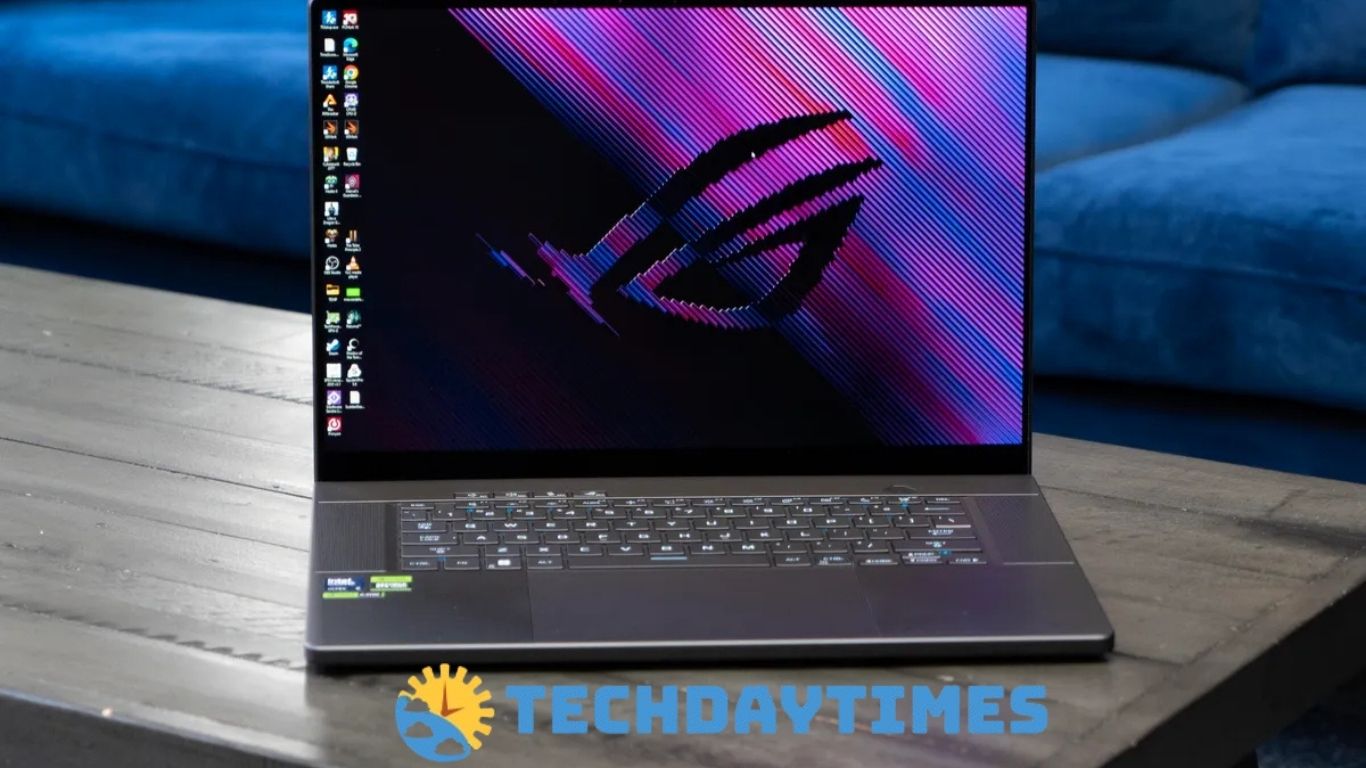
The quest for the ultimate gaming laptop in 2026 involves analyzing various components that influence performance, including GPUs, CPUs, and customization features. Gamers are increasingly seeking optimal configurations tailored to their needs, whether it’s for competitive play or immersive gaming experiences. This review evaluates the standout models of the year, focusing on their performance metrics, design, and user feedback. By understanding these elements, gamers can make informed decisions that cater to their gaming preferences and technical requirements. This article will delve into the top GPUs and CPUs, the impact of customization, and other essential factors that define gaming laptop performance today.
Gaming laptops have become more powerful than ever, but they also come with a high price tag. With modern AAA games demanding advanced graphics, faster processors, and high refresh rate displays, many gamers are asking the same question: Is a gaming laptop really worth the investment.
What Makes a Gaming Laptop Different?
A gaming laptop is not just a regular laptop with flashy lights. It is built with high-performance components designed specifically for demanding workloads such as gaming, video editing, 3D rendering, and streaming.
Key components include:
- Dedicated high-end GPU (Graphics Processing Unit)
- High-refresh-rate display (120Hz, 144Hz, 240Hz or more)
- Advanced cooling systems
- Powerful multi-core CPU
- Fast SSD storage
Brands like ASUS (ROG series), MSI, and Dell (Alienware) dominate this space with premium designs and cutting-edge hardware.
Performance: The Core Reason People Buy Gaming Laptops
Performance is the biggest selling point of any gaming laptop. Modern machines are now capable of running AAA titles at ultra settings without major lag or frame drops.
GPU Power Matters Most
The graphics card is the heart of gaming performance. Most modern laptops come equipped with GPUs powered by NVIDIA, especially the RTX series, which supports real-time ray tracing and AI-powered DLSS technology.
This means:
- Better lighting and shadows
- Higher FPS (frames per second)
- Smoother gameplay experience
CPU and RAM Balance
Gaming laptops now feature powerful processors like Intel Core i7/i9 or AMD Ryzen 7/9, paired with 16GB–32GB RAM. This ensures smooth multitasking, whether you’re gaming, streaming, or editing videos.
Portability: Gaming Anywhere, Anytime
One of the biggest advantages of a gaming laptop is mobility. Unlike a desktop setup, you can carry your system anywhere.
Benefits of Portability:
- Play games while traveling
- Attend LAN parties easily
- Use for school or office work
- No fixed setup required
Portability comes with a trade-off: weight and battery life. Most gaming laptops are heavier than regular laptops due to cooling systems and powerful hardware.
Design and Build Quality
Gaming laptops are known for their bold, aggressive designs. RGB lighting, metal finishes, and sharp edges are common.
Popular Design Approaches:
- ASUS ROG: Futuristic and gamer-focused aesthetics
- MSI: Sleek but powerful designs
- Dell Alienware: Premium sci-fi inspired look
While some users love flashy designs, others prefer subtle models that can double as professional laptops.
Cooling System: A Critical Factor
High-performance gaming generates heat, and without proper cooling, performance drops significantly.
Modern gaming laptops use:
- Dual or triple fan systems
- Liquid metal thermal compounds
- Vapor chamber cooling
- AI-based fan control systems
Battery Life: The Weakest Point
Battery life is where gaming laptops struggle the most.
Realistic Expectation:
- Gaming: 1–2 hours
- Regular use: 3–6 hours
- Light browsing: up to 7 hours (in some models)
This is because high-performance GPUs consume significant power. For serious gaming, plugging in is almost always necessary.
Display Quality: A Major Advantage
One area where gaming laptops shine is display technology.
Modern screens offer:
- High refresh rates (144Hz to 360Hz)
- Low response times
- Full HD, QHD, or 4K resolution
- G-Sync / FreeSync support
This results in:
- Smoother motion
- Reduced screen tearing
- Better competitive gaming experience
Price vs Value: Is It Worth It?
Gaming laptops are expensive, often costing significantly more than desktop PCs with similar performance.
Price Range Overview:
- Entry-level: Budget gaming (casual gaming)
- Mid-range: Balanced performance
- High-end: Premium AAA gaming and content creation
Pros:
- All-in-one system
- Portable gaming power
- No extra monitor needed
Cons:
- Expensive compared to desktops
- Limited upgrade options
- Battery limitations
Upgrade Limitations
Unlike desktops, gaming laptops have limited upgrade options.
Typically you can upgrade:
- RAM
- SSD storage
But you cannot upgrade:
- GPU
- CPU
Who Should Buy a Gaming Laptop?
A gaming laptop is ideal for:
- Students who want both study and gaming power
- Content creators (video editing, 3D design)
- Travelers who need portable performance
- Competitive gamers who attend LAN events
Real-World Gaming Experience
Modern gaming laptops can easily handle:
- Cyberpunk 2077 (high settings with DLSS)
- Call of Duty Warzone
- GTA VI (expected performance optimized)
- Fortnite and Valorant at high FPS
Thanks to advancements in cooling and GPU technology, performance is now closer than ever to desktop-level gaming.
Frequently Asked Questions
Are gaming laptops worth buying in 2026?
Yes, gaming laptops are worth it if you need portability, strong gaming performance, and an all-in-one device for gaming, studying, or content creation.
What are the main advantages of a gaming laptop?
The main advantages include portability, powerful hardware, high-refresh-rate displays, and the ability to run modern AAA games smoothly.
What are the disadvantages of gaming laptops?
They are expensive, have shorter battery life, produce more heat, and offer limited upgrade options compared to desktop PCs.
Can a gaming laptop replace a desktop PC?
Yes, for many users it can replace a desktop, but desktops still offer better performance, easier upgrades, and better value for money.
How long does a gaming laptop last?
A good gaming laptop typically lasts 4–6 years depending on usage, maintenance, and how demanding future games become.
Conclusion
Gaming laptops have evolved into powerful, portable machines capable of delivering smooth performance in modern AAA games as well as demanding creative tasks. They combine high-end GPUs, fast processors, and advanced displays into a single device, making them a convenient choice for users who need flexibility and mobility.
This convenience comes at a cost. Gaming laptops are generally more expensive than desktop PCs with similar performance, offer limited upgrade options, and often struggle with battery life under heavy load. These trade-offs are important to consider before making a purchase.