

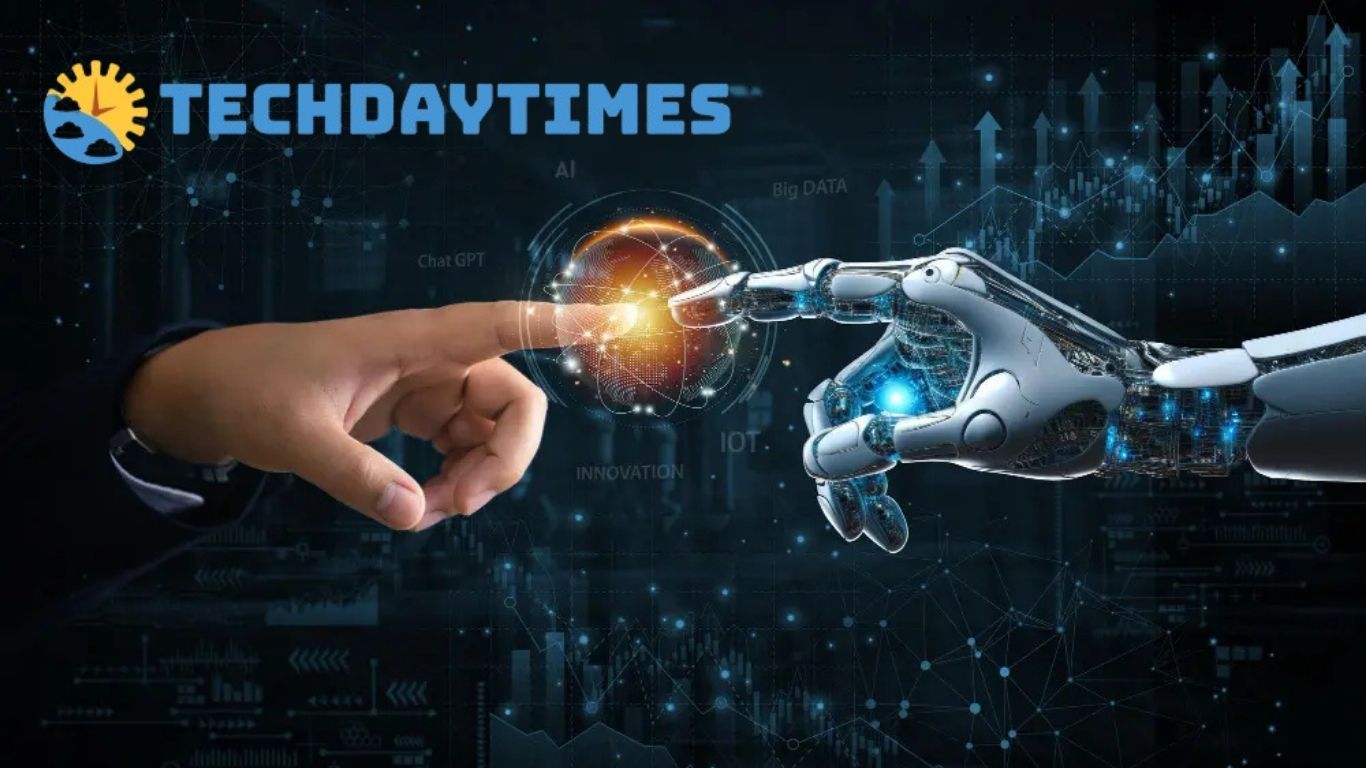
The rapid advancement of emerging technologies is reshaping the way people live, work, communicate, and interact with the world. From artificial intelligence and smart homes to virtual reality and biotechnology, innovation is creating a future lifestyle that is more connected, efficient, and personalized than ever before.
As technology continues to evolve, it influences every aspect of daily life, including healthcare, education, transportation, entertainment, shopping, and even personal relationships. Understanding these future lifestyle trends can help individuals and businesses prepare for the digital transformation ahead.
What Are Emerging Technologies?
Emerging technologies refer to innovative solutions that are currently developing or rapidly gaining adoption across industries. These technologies have the potential to revolutionize society by improving efficiency, solving complex problems, and creating entirely new experiences.
Some of the leading emerging technologies include:
- Artificial Intelligence (AI)
- Internet of Things (IoT)
- Blockchain
- 5G and 6G Networks
- Augmented Reality (AR)
- Virtual Reality (VR)
- Robotics
- Quantum Computing
- Biotechnology
- Renewable Energy Technologies
AI-Powered Personal Assistants Will Become Smarter
Artificial Intelligence is already helping people through virtual assistants like voice-controlled devices and chatbots. In the future, AI assistants will become highly intelligent personal companions capable of managing schedules, shopping, finances, travel plans, and healthcare reminders.
Instead of simply responding to commands, AI systems will predict user needs and automate routine tasks.
Benefits
- Increased productivity
- Better time management
- Personalized recommendations
- Improved customer experiences
- Reduced daily stress
AI will become an invisible part of everyday life, making homes and workplaces more efficient.
Smart Homes Will Become the New Standard
Smart homes equipped with connected devices will dominate future living spaces. Appliances, lighting systems, security cameras, thermostats, and entertainment systems will communicate seamlessly through the Internet of Things.
Homeowners will control everything through smartphones or voice commands.
Future Smart Home Features
- Automatic energy optimization
- Intelligent climate control
- AI-powered security monitoring
- Smart kitchen appliances
- Predictive maintenance alerts
- Automated cleaning robots
Remote Work and Virtual Offices Will Continue to Grow
Technology has transformed the workplace, making remote work more accessible than ever.
Future offices may exist primarily in virtual environments where employees collaborate through immersive digital spaces using virtual reality headsets.
Businesses will reduce office costs while employees enjoy greater flexibility and work-life balance.
Advantages
- Flexible schedules
- Reduced commuting
- Global hiring opportunities
- Higher productivity
- Lower environmental impact
Healthcare Will Become Personalized Through AI and Biotechnology
The future of healthcare will focus on prevention rather than treatment.
Wearable devices, genetic testing, and AI diagnostics will provide real-time health monitoring and personalized medical recommendations.
Doctors will use AI systems to detect diseases earlier with greater accuracy.
Future Healthcare Trends
- Personalized medicine
- AI-assisted diagnosis
- Remote patient monitoring
- Smart wearable devices
- Robotic surgery
- Digital health records
Autonomous Transportation Will Revolutionize Travel
Self-driving cars, autonomous buses, drone deliveries, and smart traffic systems will transform transportation.
Artificial intelligence combined with advanced sensors will reduce accidents and improve traffic efficiency.
Future cities may feature fully connected transportation ecosystems.
Key Benefits
- Reduced traffic congestion
- Improved road safety
- Lower transportation costs
- Faster deliveries
- Environmentally friendly mobility
Cashless and Digital Economies Will Expand
Digital payments are replacing traditional cash transactions worldwide.
Blockchain technology and digital currencies are creating more secure and transparent financial systems.
Future consumers may rely entirely on mobile wallets, biometric payments, and decentralized finance platforms.
Expected Trends
- Contactless payments
- Cryptocurrency adoption
- AI fraud detection
- Blockchain banking
- Digital identity verification
Virtual Reality and Augmented Reality Will Redefine Entertainment
The entertainment industry is entering a new era with immersive experiences powered by VR and AR technologies.
Instead of simply watching movies or playing games, users will interact with fully digital environments.
Future Applications
- Virtual concerts
- Immersive gaming
- Digital tourism
- Interactive education
- Virtual shopping experiences
- Remote social gatherings
Education Will Shift Toward Personalized Digital Learning
Technology is changing education by offering customized learning experiences.
Artificial intelligence will analyze student performance and create personalized study plans.
Virtual classrooms will allow students from different countries to learn together without physical boundaries.
Emerging Education Trends
- AI tutors
- VR classrooms
- Interactive simulations
- Adaptive learning systems
- Blockchain certifications
- Lifelong online learning
Sustainable Technology Will Drive Eco-Friendly Living
Climate concerns are encouraging innovation in renewable energy and sustainable technologies.
Future lifestyles will emphasize environmental responsibility through smart energy management and green infrastructure.
Examples
- Solar-powered homes
- Electric vehicles
- Smart energy grids
- Water conservation technology
- Carbon-neutral buildings
- AI-powered waste management
Robotics Will Become Everyday Helpers
Robots are no longer limited to factories.
Future households may use robots for cooking, cleaning, caregiving, gardening, and home maintenance.
Businesses will also rely on service robots for customer support and logistics.
Household Robot Applications
- Vacuum cleaning
- Elderly care
- Security patrol
- Cooking assistance
- Grocery delivery
- Pet care
Smart Cities Will Improve Urban Living
Cities are adopting intelligent infrastructure powered by sensors and artificial intelligence.
Traffic lights, waste collection, energy systems, and public transportation will operate more efficiently through real-time data analysis.
Features of Smart Cities
- Connected transportation
- Intelligent lighting
- Digital governance
- Smart parking
- AI traffic control
- Environmental monitoring
Biotechnology Will Enhance Human Life
Advancements in biotechnology are expected to improve healthcare, agriculture, and food production.
Scientists are developing gene-editing technologies that may eliminate inherited diseases and improve crop sustainability.
Future breakthroughs could significantly extend healthy life expectancy.
Potential Innovations
- Gene therapy
- Lab-grown meat
- Disease-resistant crops
- Personalized nutrition
- Regenerative medicine
- Advanced vaccines
Hyper-Personalized Shopping Experiences
Artificial intelligence and big data analytics will transform online and offline shopping.
Retailers will predict customer preferences before purchases occur.
Virtual fitting rooms and AI shopping assistants will simplify buying decisions.
Consumer Benefits
- Personalized recommendations
- Faster deliveries
- Smart inventory management
- AI customer support
- Virtual try-on technology
Digital Wellness Will Become a Priority
As technology becomes deeply integrated into daily life, people will seek healthier digital habits.
Future wellness solutions will focus on balancing screen time, mental health, and physical activity.
Digital Wellness Trends
- AI mental health assistants
- Smart fitness trackers
- Meditation apps
- Sleep optimization devices
- Screen-time management tools
Preparing for the Future
- Individuals can stay ahead by embracing lifelong learning and adapting to technological change.
- Developing digital skills, understanding AI, and staying informed about innovation will create new career opportunities.
- Businesses should invest in digital transformation and encourage continuous employee training.
Frequently Asked Questions
What are future lifestyle trends driven by emerging technologies?
Future lifestyle trends are changes in daily living influenced by innovations such as artificial intelligence (AI), smart homes, robotics, biotechnology, and the Internet of Things (IoT). These technologies aim to make life more efficient, connected, and convenient.
How will artificial intelligence change our future lifestyle?
Artificial intelligence will automate routine tasks, provide personalized recommendations, improve healthcare, enhance education, and support smarter decision-making, making everyday life more productive and efficient.
What role will smart homes play in the future?
Smart homes will use connected devices to automate lighting, security, climate control, and household appliances, offering greater comfort, energy efficiency, and enhanced safety for homeowners.
How will emerging technologies impact healthcare?
Emerging technologies will enable personalized medicine, AI-powered diagnostics, remote patient monitoring, wearable health devices, and robotic surgeries, leading to faster and more accurate healthcare services.
Will remote work continue to grow because of technology?
Yes, advancements in cloud computing, virtual reality, and AI collaboration tools will continue to support remote and hybrid work models, allowing businesses and employees to work more flexibly from anywhere.
Conclusion
The future lifestyle driven by emerging technologies is set to redefine how humans live, work, learn, and interact on a global scale. Innovations such as artificial intelligence, smart homes, robotics, biotechnology, and immersive digital experiences are no longer distant concepts—they are actively shaping today’s world and accelerating toward even greater impact.
As these technologies continue to evolve, daily life will become more automated, personalized, and interconnected. People will benefit from improved healthcare, smarter cities, flexible work environments, and highly efficient digital ecosystems that save time and enhance convenience. At the same time, society must remain mindful of challenges such as privacy, cybersecurity, and ethical use of technology.