

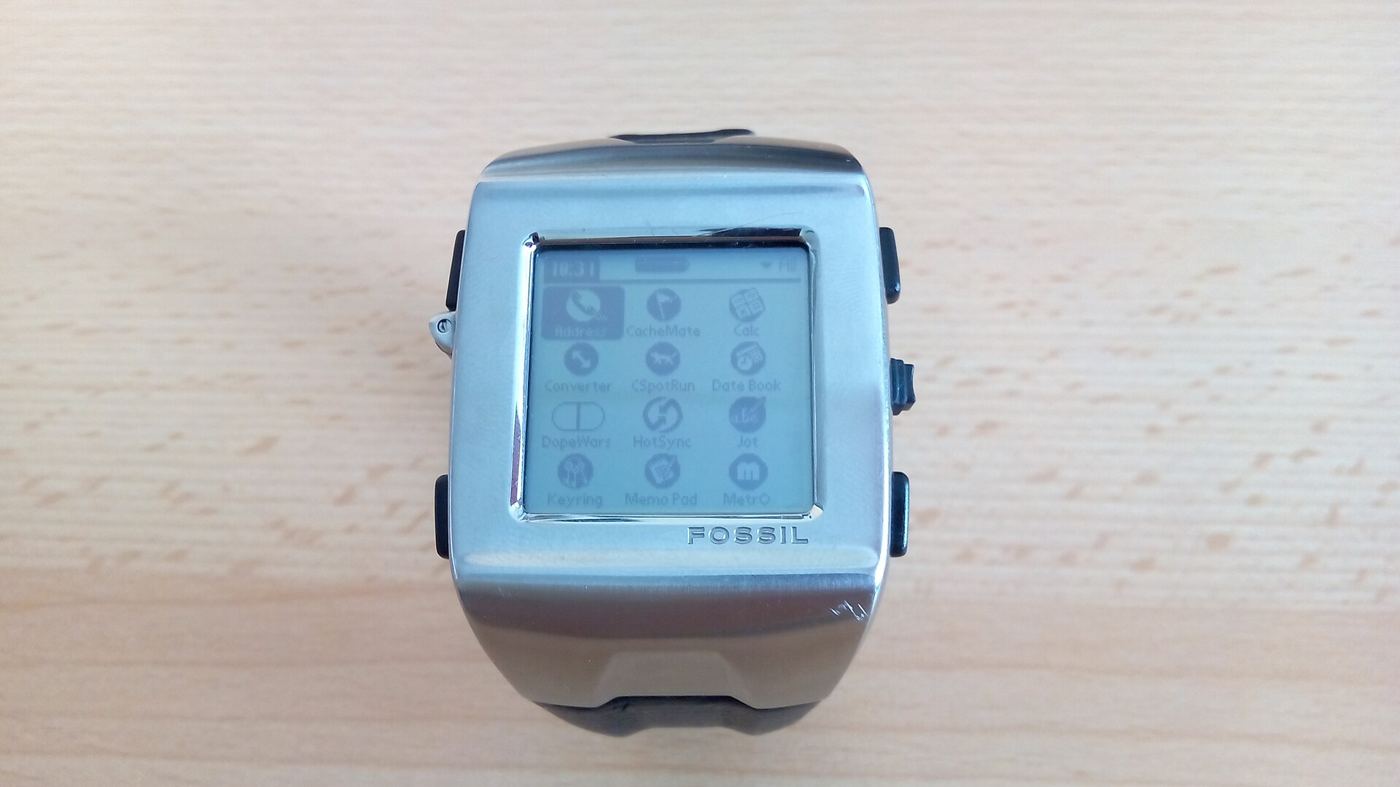
For a decade, the smartwatch asked a daily tribute: place it on the puck every night, or wake to a black screen and a guilty conscience. That ritual defined the category’s ceiling — a health tracker you could not wear to bed without planning, an expensive watch that did less, for less of the day, than the quartz it replaced. This year’s flagships mark the first genuine break: multi-day ratings from the biggest names, and in some models a week within sight. At Tech Day Times we track this because battery life is the spec users feel every single day.
Three changes converged. Battery chemistry is the headline: silicon-carbon anode cells, borrowed from flagship phones, pack meaningfully more energy into the same volume, so watches gained capacity without gaining bulk. Chips helped from the other side — dedicated low-power co-processors now handle the always-on display, sensors and notifications while the main processor sleeps, a division of labour that transformed standby drain. And displays got smarter about being boring: refresh rates that drop to one hertz for a static watch face, and dual-layer screens that switch to a power-sipping reflective mode outdoors.
Reading the Claims Honestly
Rated battery life remains a genre of creative writing. The fine print usually assumes the always-on display off, GPS workouts modest and the cellular radio quiet; the heaviest features — LTE calls, navigation, streaming music — still burn a day-sized battery in hours. Independent reviewers, including the test labs at GSMArena, find real-world figures landing at perhaps two-thirds of the brochure for typical mixed use, which is precisely why the improvement matters: two-thirds of a week is a long weekend, and two-thirds of eighteen hours was a dead watch at dinner.
What a Week Changes
Multi-day life quietly redesigns the product. Sleep tracking stops requiring a charging strategy. Travel needs no proprietary puck in the wash bag. Health baselines become continuous rather than five-nights-in-seven. The smartwatch’s promise was always ambient computing — a device you forget — and a device on a charger is unforgettable in the worst way. The battery wall has not fallen, but it has finally cracked, and the category’s next decade will be built in the space that crack lets in.
There is an environmental footnote that deserves more prominence than it gets: a watch charged weekly instead of nightly still uses trivial electricity, but the longer-lived battery delays the device’s own replacement — and in a category criticised for sealed units and short lives, every extra year of service is the greenest feature on the spec sheet. Longer battery life, in other words, is not merely convenient. It is the smartwatch beginning to grow out of its disposable phase, into the longer, quieter life that watches were always supposed to have.
