

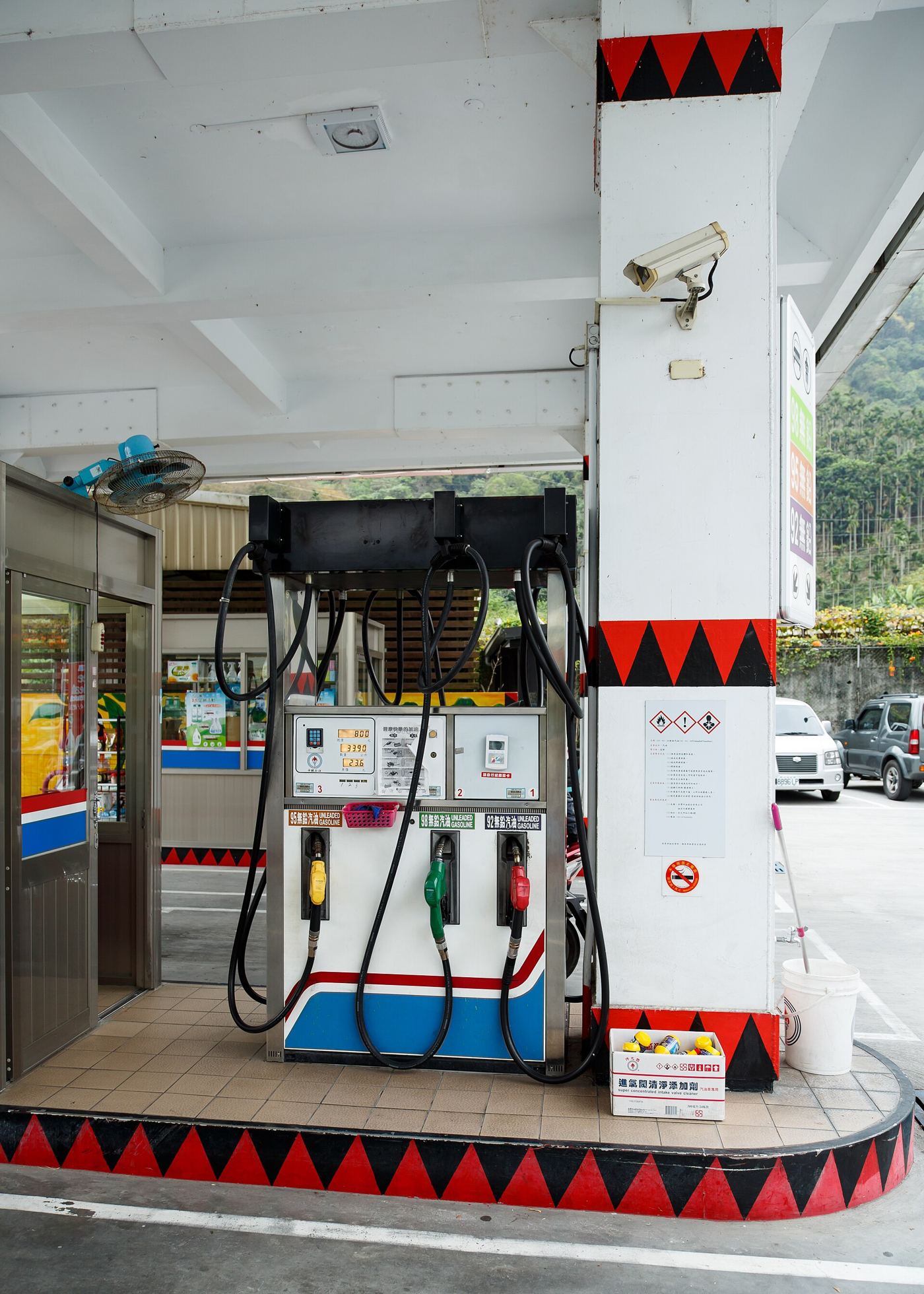
The early electric car era asked drivers to be pioneers: three apps per network, a prayer at every charger, and a plan B for the plan A. That era is ending in the least dramatic way possible — through uptime statistics. Charging networks, burned by years of deserved ridicule, now compete on reliability scores, publish live availability, and design hubs with canopies, lighting and coffee, because a fifteen-to-thirty-minute stop is a retail opportunity a five-minute petrol splash never was. At Tech Day Times we have watched the petrol station be quietly reinvented.
The hardware matured first. Current fast chargers deliver their rated speeds to a far wider range of vehicles, share power intelligently between stalls, and report their own faults before drivers discover them — the single biggest change, since the old network’s defining failure was the charger that showed as available and was not. Plug-and-charge standards removed the app-and-card fumble for newer cars: plug in, and the car and charger settle identity and payment between themselves. Reliability figures that networks publish and regulators increasingly require, such as those tracked by the International Energy Agency in its EV outlooks, show uptime climbing into the high nineties in the best-run networks.
The Business Model Flips
Electricity itself is a thin-margin product, so operators are learning the petrol station’s real lesson: the money was never only in the fuel. Hubs co-locate with supermarkets, coffee chains and motorway services; fleet contracts and subscription pricing smooth the revenue; and the dwell time that critics called charging’s fatal flaw is becoming its commercial foundation. Home and workplace charging still carry the great majority of energy delivered — the public network’s job is confidence on the long trip, the purchase-deciding journey every driver imagines more often than they take it.
What Drivers Will Notice Next
Prices are becoming transparent and, in competitive corridors, falling; roaming agreements mean one account opens most networks; and the queue of new charging hubs along major routes grows monthly. None of it trends on social media, because infrastructure succeeds by becoming boring. The EV transition’s hardest problems were never really about the cars. They were about building, in a decade, the refuelling civilisation petrol took a century to grow — and the measure of progress is how little there is left to say about it.
The next frontier is the kerbside: the millions of drivers without driveways, for whom charging must become as unremarkable as parking. Lamp-post chargers, community hubs and workplace schemes are the unglamorous answer being piloted city by city — slower than a motorway hub, and more important, because a transition that only works for homeowners is not a transition. Watch that space. When charging disappears into the street furniture entirely, the EV era will have truly begun — the day nobody writes articles about filling up at all.
