

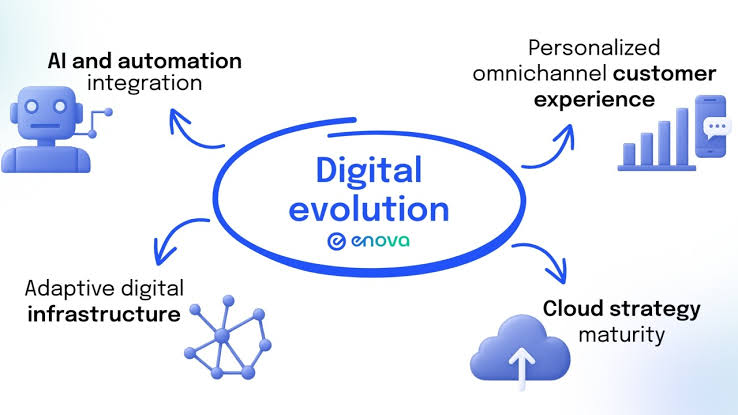
The digital landscape has transformed dramatically over the past two decades, reshaping the way people communicate, shop, learn, work, and entertain themselves. Today, digital platforms serve as the backbone of modern society, connecting billions of users across the globe through websites, mobile applications, cloud services, and social media networks. Businesses and individuals alike depend on these platforms to streamline operations, improve customer engagement, and unlock new opportunities for growth. As innovation accelerates, platforms continue to evolve by integrating advanced technologies, improving user experiences, and adapting to changing consumer expectations. Whether for business expansion or personal convenience, understanding this evolution is essential. Many online communities and platforms, including qqmacan demonstrate how digital ecosystems continue to expand and engage audiences in new and innovative ways.
The Foundation of Digital Platforms
Digital platforms are technology-based environments that facilitate interactions between users, businesses, and service providers. Unlike traditional websites that simply provide information, modern platforms enable transactions, communication, collaboration, and content creation.
Examples include e-commerce marketplaces, streaming services, social networking platforms, educational portals, cloud computing services, and business management systems. Their primary objective is to create value by connecting different participants within a digital ecosystem.
As internet accessibility has improved worldwide, digital platforms have become more sophisticated, offering personalized experiences while handling enormous volumes of data in real time.
Artificial Intelligence Drives Innovation
Artificial Intelligence (AI) has become one of the most influential technologies shaping digital platforms today. AI-powered algorithms analyze user behavior, predict preferences, automate repetitive tasks, and deliver highly personalized recommendations.
Streaming platforms suggest movies based on viewing history, online retailers recommend products according to browsing patterns, and customer service chatbots provide instant assistance around the clock.
Machine learning continuously improves these systems by learning from user interactions, making platforms increasingly intelligent and efficient over time.
Cloud Computing Expands Possibilities
Cloud computing has revolutionized the way digital platforms operate. Instead of relying on local servers, organizations can now access scalable computing resources through cloud infrastructure.
This enables businesses to launch applications quickly, expand globally, and maintain high performance even during periods of heavy traffic. Cloud technology also supports automatic software updates, enhanced security measures, and cost-effective resource management.
As cloud adoption continues to increase, digital platforms become more flexible and resilient, supporting organizations of all sizes.
Mobile-First Experiences
The widespread adoption of smartphones has significantly influenced platform development. Modern users expect seamless mobile experiences with intuitive interfaces, fast loading times, and responsive designs.
Companies now prioritize mobile-first strategies when developing websites and applications. Features such as biometric authentication, voice search, location-based services, and mobile payments have become standard components of many digital platforms.
This shift ensures that users can access services conveniently from virtually anywhere.
The Rise of Personalization
Consumers increasingly expect personalized experiences that match their interests and preferences. Digital platforms collect data responsibly to deliver customized content, product recommendations, advertisements, and notifications.
Personalization improves customer satisfaction by reducing information overload and presenting relevant content at the right time.
Advanced analytics enable businesses to better understand customer behavior, allowing them to refine their marketing strategies and improve user engagement continuously.
Social Media Continues to Transform
Social media platforms have evolved from simple communication tools into comprehensive ecosystems supporting commerce, education, entertainment, and professional networking.
Businesses now use social media to build brand awareness, engage with customers, conduct market research, and provide customer support.
Creators monetize their content through subscriptions, sponsorships, advertising, and live streaming, while users enjoy increasingly interactive features such as short-form videos, live broadcasts, and community groups.
E-Commerce Evolution
Online shopping platforms continue to redefine retail experiences. Features such as one-click purchasing, digital wallets, personalized recommendations, and AI-powered customer support make online shopping faster and more convenient than ever.
Many platforms now incorporate augmented reality, allowing customers to visualize products before purchasing them. Virtual fitting rooms, furniture placement tools, and interactive product demonstrations enhance buyer confidence and reduce return rates.
Additionally, integrated logistics systems provide real-time shipment tracking and faster delivery options.
Enhanced Security and Privacy
As digital platforms grow, cybersecurity has become increasingly important. Users entrust platforms with sensitive personal and financial information, making robust security essential.
Modern platforms employ encryption, multi-factor authentication, biometric verification, fraud detection systems, and continuous monitoring to protect user data.
Privacy regulations have also encouraged organizations to provide greater transparency regarding data collection, storage, and usage practices, strengthening user trust.
Collaboration in the Digital Workplace
Remote work and hybrid employment models have accelerated the development of collaboration platforms. Businesses rely on cloud-based communication tools, project management software, video conferencing applications, and document-sharing systems to maintain productivity.
These platforms facilitate teamwork across different locations, enabling employees to collaborate efficiently regardless of geographical boundaries.
Real-time editing, automated workflows, and integrated communication channels improve organizational efficiency and reduce operational complexity.
Creator Economy Growth
Digital platforms have empowered individuals to become entrepreneurs and content creators. Writers, designers, educators, musicians, and influencers can build audiences, generate revenue, and establish personal brands without relying on traditional media organizations.
Subscription services, online courses, digital products, affiliate marketing, and advertising provide diverse income opportunities for creators worldwide.
This democratization of content creation has expanded innovation and increased competition across numerous industries.
Integration of Emerging Technologies
Emerging technologies continue to shape the future of digital platforms. Augmented reality (AR), virtual reality (VR), blockchain, and the Internet of Things (IoT) are introducing entirely new user experiences.
Healthcare platforms enable remote patient monitoring through connected devices. Educational platforms provide immersive virtual classrooms. Retailers enhance shopping experiences with augmented reality product previews.
Blockchain technology improves transparency, digital identity verification, and secure transaction processing, opening new possibilities for decentralized digital services.
Sustainability Through Digital Transformation
Digital platforms also contribute to sustainability initiatives by reducing paper usage, minimizing travel requirements, optimizing resource management, and supporting remote collaboration.
Smart logistics platforms improve transportation efficiency, reducing fuel consumption and emissions. Digital documentation eliminates excessive printing, while online learning reduces commuting and infrastructure requirements.
Many organizations now incorporate sustainability goals into their digital transformation strategies.
Challenges Facing Digital Platforms
Despite remarkable progress, digital platforms face numerous challenges. Cybersecurity threats continue evolving alongside technological advancements. Data privacy concerns require constant attention and regulatory compliance.
Platform operators must also address misinformation, online harassment, algorithmic bias, and ethical concerns related to artificial intelligence.
Balancing innovation with responsible governance remains essential for maintaining public trust and ensuring long-term sustainability.
The Importance of User Experience
User experience (UX) has become a primary competitive advantage for digital platforms. Simple navigation, intuitive interfaces, accessibility features, and fast performance directly influence customer satisfaction.
Companies continuously test and refine their platforms using analytics, customer feedback, and usability research to identify opportunities for improvement.
Accessible design also ensures that users with disabilities can effectively interact with digital services, expanding inclusivity across diverse populations.
Future Trends
The future of digital platforms will likely be defined by greater automation, smarter artificial intelligence, deeper personalization, and seamless integration across multiple devices and services.
Voice assistants, wearable technology, predictive analytics, autonomous systems, and immersive virtual environments will continue reshaping digital interactions.
Organizations that embrace innovation while maintaining strong security, transparency, and ethical standards will remain competitive in an increasingly digital economy.
Businesses must remain adaptable, continuously investing in research, employee development, and technological infrastructure to meet changing customer expectations.
Conclusion
Digital platforms have evolved far beyond simple websites into comprehensive ecosystems that power communication, commerce, education, healthcare, entertainment, and business operations worldwide. Advances in artificial intelligence, cloud computing, mobile technology, personalization, cybersecurity, and emerging innovations continue to transform how people interact with digital services every day.
As technology progresses, successful digital platforms will focus not only on innovation but also on trust, accessibility, privacy, and user satisfaction. Organizations that understand these evolving trends and respond strategically will be well-positioned to thrive in the rapidly changing digital landscape. The evolution of digital platforms is far from complete, and the coming years promise even greater advancements that will further redefine the digital experiences shaping our personal and professional lives.