

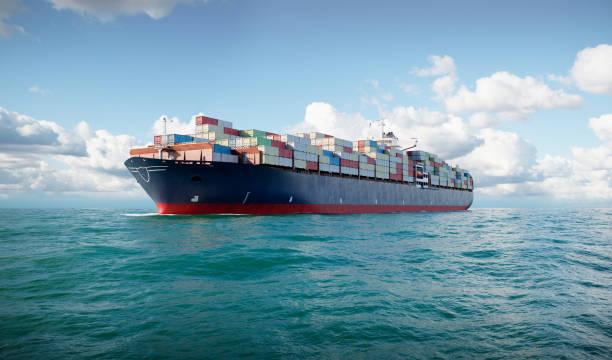
Global trade relies heavily on efficient and dependable transportation systems, and sea freight remains one of the most important methods for moving goods across international markets. From raw materials and industrial equipment to consumer products and retail merchandise, businesses around the world depend on sea freight services to ensure their cargo reaches destinations safely and cost-effectively. As international commerce continues to expand, worldwide sea freight services play a vital role in supporting supply chains, reducing transportation costs, and facilitating economic growth.
Understanding Worldwide Sea Freight Services
Sea freight services involve the transportation of goods via cargo ships across oceans and waterways. These services connect manufacturers, suppliers, distributors, and consumers in different countries through established shipping routes and global port networks. Sea freight is widely recognized for its ability to handle large volumes of cargo while offering economical transportation solutions compared to air freight.
Businesses of all sizes utilize sea freight services for international shipping due to their flexibility, scalability, and ability to accommodate various cargo types. Whether transporting a single container or managing large-scale commercial shipments, sea freight offers reliable options for diverse logistics requirements.
Benefits of Choosing Sea Freight for Cargo Movement
Cost-Effective Transportation
One of the primary advantages of sea freight is its affordability. Shipping large quantities of goods by sea is significantly less expensive than air transportation. This makes sea freight an ideal choice for businesses seeking to optimize logistics costs while maintaining reliable delivery schedules.
Capacity for Large Shipments
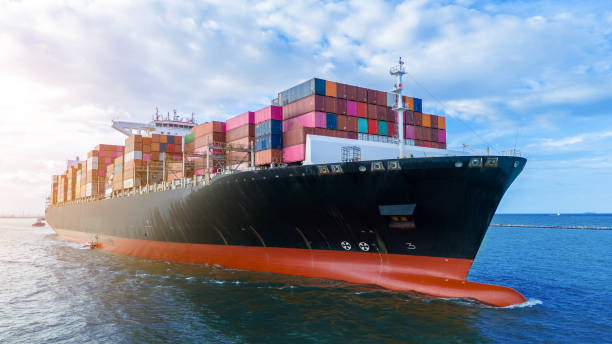
Modern cargo vessels are designed to carry substantial amounts of freight. From full container loads (FCL) to bulk commodities, sea freight services can accommodate shipments of virtually any size. This capability allows businesses to move large volumes of goods efficiently across international markets.
Environmentally Friendly Logistics
Compared to other transportation methods, sea freight generally produces lower carbon emissions per ton of cargo transported. As companies increasingly focus on sustainability and environmental responsibility, sea freight provides a more eco-friendly solution for global shipping operations.
Global Reach and Connectivity
Sea freight networks connect major ports worldwide, enabling businesses to access international markets with ease. Comprehensive shipping routes facilitate trade between continents and support seamless cargo movement across diverse regions.
Types of Sea Freight Services
Full Container Load (FCL)
Full Container Load shipping is ideal for businesses with enough cargo to fill an entire container. FCL shipments offer enhanced security, reduced handling, and faster transit times since the container remains dedicated to a single customer throughout the journey.
Less Than Container Load (LCL)
LCL shipping allows multiple shippers to share container space. This option is cost-effective for businesses with smaller shipments that do not require a full container. By sharing transportation costs, companies can benefit from affordable international shipping solutions.
Breakbulk Shipping
Breakbulk shipping is used for oversized cargo that cannot fit into standard shipping containers. Machinery, construction materials, industrial equipment, and project cargo are commonly transported using breakbulk services.
Roll-On/Roll-Off (RoRo) Shipping
RoRo shipping is specifically designed for wheeled cargo such as vehicles, trucks, buses, and heavy machinery. Cargo is driven directly onto the vessel and secured for transport, simplifying loading and unloading processes.
Key Components of Reliable Sea Freight Services
Professional Cargo Handling
Reliable sea freight providers employ experienced logistics professionals who oversee cargo handling, packaging, loading, and transportation. Proper cargo management minimizes risks and ensures goods arrive in excellent condition.
Advanced Tracking Systems
Modern shipping companies utilize digital tracking technologies that provide real-time visibility into shipment status. Customers can monitor cargo movement throughout the shipping process, improving transparency and supply chain management.
Customs Clearance Support
International shipping often involves complex customs regulations and documentation requirements. Reliable sea freight services offer customs clearance assistance to ensure compliance with import and export regulations while avoiding unnecessary delays.
Comprehensive Insurance Coverage
Cargo insurance provides financial protection against potential risks during transit. Leading sea freight providers offer insurance options that safeguard shipments from damage, loss, or unforeseen circumstances.
Industries That Depend on Worldwide Sea Freight Services
Manufacturing Sector
Manufacturers rely on sea freight to transport raw materials, machinery, components, and finished products between production facilities and global markets. Efficient shipping services support uninterrupted manufacturing operations and inventory management.
Retail and E-Commerce
Retailers and e-commerce businesses use sea freight to import products from suppliers worldwide. Cost-effective transportation enables companies to maintain competitive pricing while meeting customer demand.
Automotive Industry
The automotive sector frequently utilizes sea freight for transporting vehicles, spare parts, and manufacturing equipment. Specialized shipping solutions ensure safe handling of valuable automotive cargo.
Construction and Infrastructure
Large-scale construction projects often require the transportation of heavy machinery, steel structures, and building materials. Sea freight services provide practical solutions for moving oversized and heavy cargo internationally.
Challenges in Global Sea Freight Shipping
Port Congestion
Busy ports may experience congestion that affects loading and unloading schedules. Effective logistics planning and carrier coordination help minimize disruptions caused by port delays.
Weather Conditions
Ocean transportation is occasionally affected by adverse weather conditions such as storms and rough seas. Experienced shipping companies monitor weather patterns and adjust routes when necessary to maintain cargo safety.
Regulatory Compliance
International shipping regulations vary by country and region. Businesses must ensure proper documentation, customs declarations, and compliance with trade laws to avoid penalties or shipment delays.
How to Choose the Right Sea Freight Partner
Industry Experience
Selecting a shipping provider with extensive experience in international logistics can significantly improve shipping efficiency. Experienced companies understand global trade requirements and can effectively manage complex cargo movements.
Global Network Coverage
A strong international network of carriers, agents, and port partners ensures reliable transportation and efficient handling throughout the shipping journey.
Customer Support
Responsive customer service is essential for addressing shipping inquiries, resolving issues, and providing shipment updates. Reliable support enhances overall logistics performance and customer satisfaction.
Technology and Visibility
Choose providers that offer advanced shipment tracking, digital documentation, and supply chain visibility tools. Technology-driven logistics solutions improve operational efficiency and decision-making.
Future Trends in Worldwide Sea Freight Services
The sea freight industry continues to evolve through technological innovation and sustainability initiatives. Digital transformation, automation, artificial intelligence, and smart logistics platforms are improving operational efficiency and customer experience. Additionally, shipping companies are investing in cleaner fuels and environmentally friendly technologies to reduce emissions and support global sustainability goals.
As international trade volumes continue to grow, sea freight services will remain a cornerstone of global commerce. Businesses that leverage reliable shipping solutions can strengthen supply chain resilience, improve market access, and maintain competitive advantages in an increasingly interconnected world.
Conclusion
Worldwide sea freight services are essential for reliable cargo movement across international markets. Their affordability, scalability, and global reach make them a preferred transportation solution for businesses operating in diverse industries. By partnering with experienced logistics providers and utilizing modern shipping technologies, companies can ensure efficient cargo transportation while navigating the complexities of global trade. As the shipping industry advances through innovation and sustainability efforts, sea freight will continue to play a critical role in supporting international commerce and economic development.