

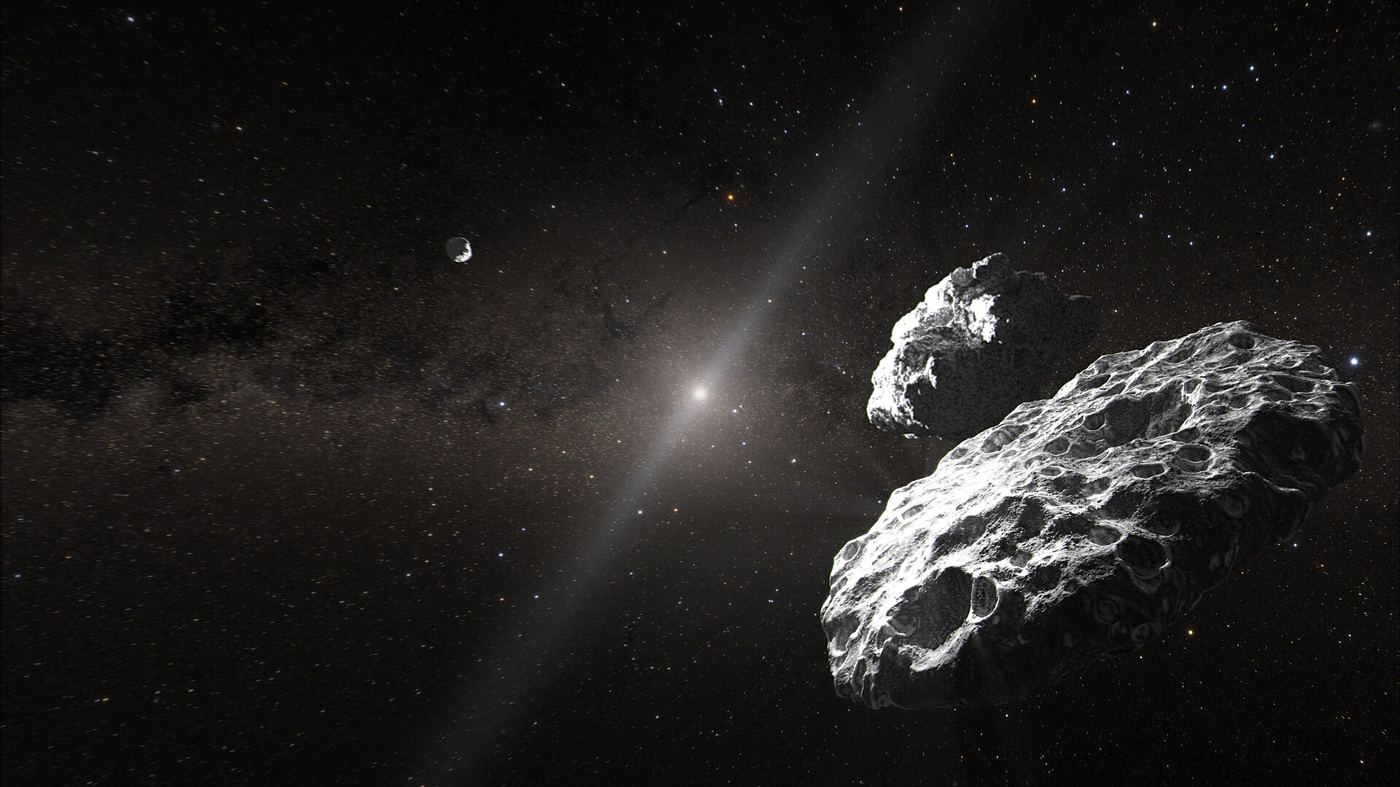
Comets and asteroids from other star systems occasionally cross our own, and each confirmed interstellar visitor so far has been discovered late, observed hurriedly and lost to the darkness within months. Astronomers are determined that the next one will be met rather than merely watched. Mission concepts now on drawing boards would park a spacecraft in a stable orbit, fuelled and waiting, until surveys flag a suitable target on a reachable trajectory. The challenge is severe: a visitor may approach from any direction at high speed, its brightness and activity are unknown until it is already close, and the decision to commit a spacecraft must be made within weeks. New wide-field surveys coming online should find candidates earlier and fainter than before, buying precious time. A successful intercept, even a fast flyby, would collect images and dust measurements from material formed around another star, offering a direct comparison with the comets of our own system. Similarities would suggest planet formation follows common recipes; differences could reveal how varied those recipes are. Spectroscopic observations from Earth and space telescopes already characterise each visitor’s composition at a distance, guiding which targets deserve the single spacecraft waiting in reserve for its one chance at a rendezvous with material from deep interstellar space.
What the Evidence Shows
Preparing for an unknown target has pushed engineers toward adaptable designs: propulsion that can retarget late, instruments that cope with a wide range of speeds and dust environments, and software that can plan an encounter with only rough knowledge of the comet’s path. Simulations rehearse thousands of possible visitors so that, when a real one appears, trajectory teams can judge feasibility in days rather than months. There is also a scientific etiquette to settle, because the world will get one mission and many teams will want its limited observing time. Open data policies agreed in advance would let the whole community work on the encounter. Meanwhile, every distant observation of a passing visitor refines the statistics of how many such objects exist and how they are distributed, which in turn tells planners how long a parked spacecraft might wait. It could be years, and funders must accept that patience as part of the design. The payoff justifies the wait for many researchers: a sample, however brief the encounter, of the building material of another planetary system. Until the intercept flies, astronomers will keep improving the early warning net, because the science begins with not being surprised by the next traveller between the stars. Reporting and analysis from sources such as Nature track the same developments, and specialists following intercepting an interstellar comet say the direction is now consistent across independent lines of evidence.
The Wider Context
The wider context is a research landscape in which replication and open data now decide reputations. Findings connected to intercepting an interstellar comet are being checked by independent groups with shared datasets, and the teams involved publish their methods in full so rivals can test every step. That discipline is slower than a headline cycle, but it is why results in this area increasingly survive first contact with scrutiny.
What Happens Next
What happens next in the story of intercepting an interstellar comet will be decided by follow-up work already under way: larger samples, longer observation and instruments that have not yet come online. The researchers involved are unusually united on one point, that the current results justify the next investment of time and money. Readers will not have to wait long for the first tests of that claim. You can follow related developments in our coverage of science.
