

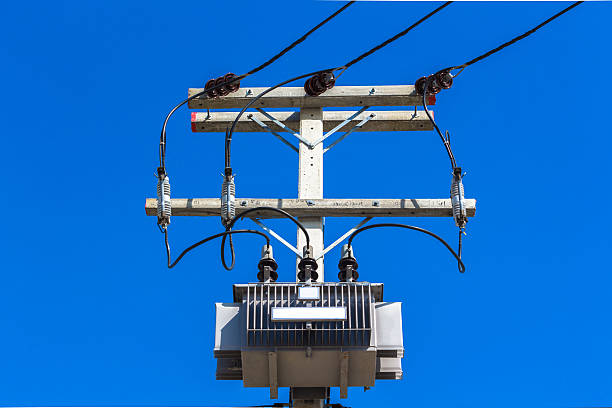
The growing demand for reliable electricity and the rapid expansion of industrial, commercial, and residential infrastructure have increased the importance of efficient power distribution systems. At the heart of these systems lies the distribution transformer, a critical component responsible for delivering electricity from transmission networks to end users. Among the various transformer types available, the high efficiency three phase distribution transformer has become a preferred choice for modern power networks due to its superior performance, energy-saving capabilities, and reliability.
Three phase distribution transformers play a vital role in ensuring stable voltage regulation, minimizing power losses, and supporting continuous electricity supply across diverse applications. With advancements in transformer technology and increasing focus on energy conservation, high efficiency transformers have emerged as essential assets for utilities, industries, and infrastructure projects seeking improved operational performance and reduced energy costs.
Understanding Three Phase Distribution Transformers
A three phase distribution transformer is an electrical device designed to transfer electrical energy between circuits through electromagnetic induction while changing voltage levels. It receives medium-voltage electricity from distribution networks and steps it down to lower voltage levels suitable for industrial, commercial, and residential consumption.
Unlike single-phase transformers, three phase transformers are designed to handle larger electrical loads and provide more balanced power distribution. They are commonly used in applications where high power demand and operational efficiency are required.
These transformers typically consist of:
- Magnetic core
- Primary winding
- Secondary winding
- Insulation system
- Cooling mechanism
- Protective components
Together, these elements ensure efficient voltage transformation while maintaining safe and reliable operation.
Importance of High Efficiency in Power Networks
Power losses during transmission and distribution represent a significant challenge for utilities and industrial operators. Even small efficiency improvements can result in substantial energy savings over the lifespan of a transformer.
High efficiency three phase distribution transformers are specifically engineered to reduce losses and maximize energy transfer. Their optimized design minimizes energy waste and contributes to more sustainable power distribution systems.
The benefits of improved efficiency include:
- Reduced electricity losses
- Lower operational costs
- Improved voltage regulation
- Enhanced system reliability
- Reduced environmental impact
- Longer equipment lifespan
As governments and industries increasingly prioritize energy conservation, high efficiency transformers are becoming an important part of modern electrical infrastructure.
Key Features of High Efficiency Three Phase Distribution Transformers
Low Core Loss Design
Core losses occur continuously whenever a transformer is energized. High efficiency transformers utilize advanced magnetic materials and precision manufacturing techniques to reduce these losses significantly.
Modern core designs often incorporate:
- High-grade silicon steel
- Amorphous metal cores
- Improved magnetic flux distribution
- Precision lamination technology
These enhancements help minimize energy dissipation and improve overall transformer efficiency.
Reduced Copper Losses
Copper losses occur due to resistance in transformer windings when electrical current flows through them. High efficiency transformers use optimized winding configurations and high-conductivity materials to reduce resistance and improve electrical performance.
Benefits of reduced copper losses include:
- Lower operating temperatures
- Improved energy efficiency
- Increased load capacity
- Enhanced equipment longevity
Superior Voltage Regulation
Voltage fluctuations can negatively impact electrical equipment and system performance. High efficiency transformers are designed to provide stable voltage output under varying load conditions.
This capability helps maintain consistent power quality and supports the reliable operation of sensitive industrial and commercial equipment.
Advantages of High Efficiency Distribution Transformers
Significant Energy Savings
One of the most compelling benefits of high efficiency transformers is their ability to reduce energy consumption. Since transformers operate continuously throughout their service life, even minor improvements in efficiency can generate substantial savings.
Utilities and industries can benefit from:
- Lower electricity expenses
- Reduced transmission losses
- Improved overall system performance
- Better energy utilization
Over time, these savings often offset the initial investment cost associated with advanced transformer technologies.
Enhanced Reliability
Reliable power distribution is essential for maintaining uninterrupted operations. High efficiency transformers are built using premium materials and advanced engineering techniques that improve durability and performance.
Their robust construction helps reduce the risk of failures caused by overheating, insulation degradation, or excessive loading.
Lower Environmental Impact
Reducing energy losses directly contributes to lower greenhouse gas emissions and improved environmental sustainability. By operating more efficiently, these transformers help decrease the amount of electricity that must be generated to meet demand.
As a result, organizations can support sustainability goals while improving operational efficiency.
Extended Service Life
High efficiency transformers generally operate at lower temperatures due to reduced losses. Lower operating temperatures minimize stress on insulation systems and internal components, extending equipment lifespan.
This leads to:
- Reduced maintenance requirements
- Lower replacement costs
- Improved return on investment
- Greater operational stability
Applications in Modern Power Networks
Utility Distribution Systems
Electric utility companies use three phase distribution transformers extensively to deliver electricity from substations to residential, commercial, and industrial consumers.
High efficiency transformers help utilities improve network performance while reducing energy losses throughout the distribution process.
Industrial Facilities
Manufacturing plants and processing facilities often require large amounts of electrical power to operate machinery, production lines, and automation systems.
Three phase transformers provide:
- Stable voltage supply
- High load handling capability
- Reliable power distribution
- Enhanced operational efficiency
Their ability to support demanding industrial applications makes them indispensable in modern manufacturing environments.
Commercial Buildings
Shopping centers, office complexes, hotels, and educational institutions rely on efficient electrical systems to power lighting, HVAC systems, elevators, and communication networks.
High efficiency transformers contribute to lower operating costs and improved energy management within commercial facilities.
Renewable Energy Integration
As renewable energy installations continue to expand, transformers play a critical role in integrating solar and wind power into existing electrical grids.
High efficiency three phase transformers support:
- Grid stability
- Voltage regulation
- Efficient power transfer
- Renewable energy utilization
Their compatibility with modern energy systems makes them valuable assets in sustainable infrastructure projects.
Cooling Technologies for Improved Performance
Oil-Immersed Transformers
Oil-immersed transformers use insulating oil for cooling and insulation purposes. The oil helps dissipate heat generated during operation, maintaining safe operating temperatures.
Advantages include:
- Excellent cooling efficiency
- High reliability
- Longer service life
- Effective insulation performance
Dry-Type Transformers
Dry-type transformers use air as the cooling medium and do not require insulating oil. These transformers are commonly used in indoor environments where fire safety is a primary concern.
Benefits include:
- Reduced maintenance
- Environmentally friendly operation
- Enhanced fire safety
- Simplified installation
The choice between oil-immersed and dry-type transformers depends on application requirements and environmental conditions.
Factors to Consider When Selecting a Three Phase Distribution Transformer
Load Requirements
Understanding present and future load demands is essential for selecting the appropriate transformer capacity. Proper sizing ensures efficient operation and prevents overloading.
Efficiency Ratings
Organizations should evaluate transformer efficiency ratings to maximize long-term energy savings. Higher efficiency models often deliver better lifecycle cost performance despite higher initial investment.
Installation Environment
Environmental factors such as temperature, humidity, altitude, and exposure to contaminants can influence transformer performance. Selecting equipment designed for specific operating conditions helps ensure reliable operation.
Compliance with Standards
Transformers should comply with applicable national and international standards to ensure safety, reliability, and performance. Compliance also supports regulatory requirements and quality assurance objectives.
Future Trends in Distribution Transformer Technology
Smart Transformer Integration
Digital technologies are transforming the electrical industry. Modern transformers increasingly incorporate sensors and monitoring systems that provide real-time operational data.
Smart transformer capabilities include:
- Remote monitoring
- Predictive maintenance
- Load analysis
- Fault detection
- Performance optimization
Advanced Core Materials
Ongoing research into magnetic materials continues to improve transformer efficiency. New core technologies are helping reduce losses even further, supporting more sustainable power distribution systems.
Grid Modernization Support
As electrical grids become smarter and more interconnected, high efficiency transformers will play a crucial role in supporting advanced energy management systems, distributed generation, and renewable energy integration.
Conclusion
High efficiency three phase distribution transformers are fundamental components of modern power networks. Their ability to reduce energy losses, improve voltage regulation, enhance reliability, and support sustainable energy practices makes them indispensable for utilities, industries, and commercial facilities.
By investing in advanced transformer technologies, organizations can achieve significant operational benefits, including lower energy costs, improved system performance, and extended equipment lifespan. As power networks continue to evolve and energy efficiency becomes increasingly important, high efficiency three phase distribution transformers will remain at the forefront of reliable and sustainable electrical distribution solutions.